When Norm Hann discovered stand up paddleboarding (SUP) in 2008 he immediately connected his experience as a sea kayak guide and his love for surfing together to eventually lead him to complete multi-day SUP trips around the world. A few years after beginning his multi-day SUP journey, Norm, along with sea kayaker Brian Huntington of the Skeena Watershed Conservation Coalition, completed a 400km paddling expedition from the Haisla village of Kitimaat at the head of the Douglas channel to the Heilsuk village of Bella Bella. This journey was documented and created into an award winning film, STAND.
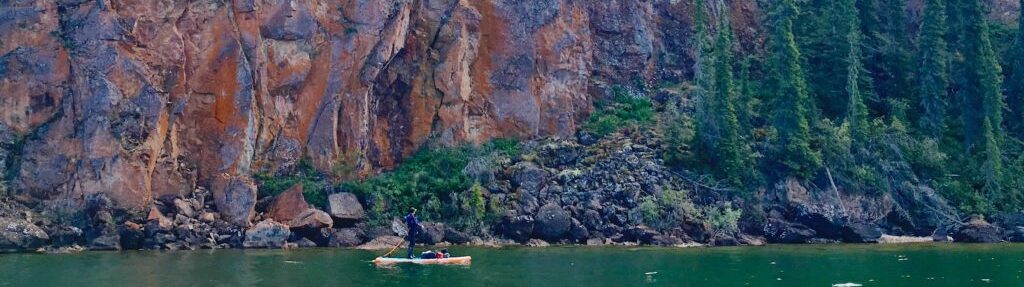
Since founding Norm Hann Expeditions, he has led multi-day SUP trips from Vancouver Island’s Wild West coast, through Clayoquot Sound and in the spectacular barrier reefs of Belize. In 2016, Norm completed a SUP expedition on the East Arm of Great Slave Lake along the shores of Blanchett Island and was blown away by the vastness of Great Slave Lake and the endless opportunities for paddling.
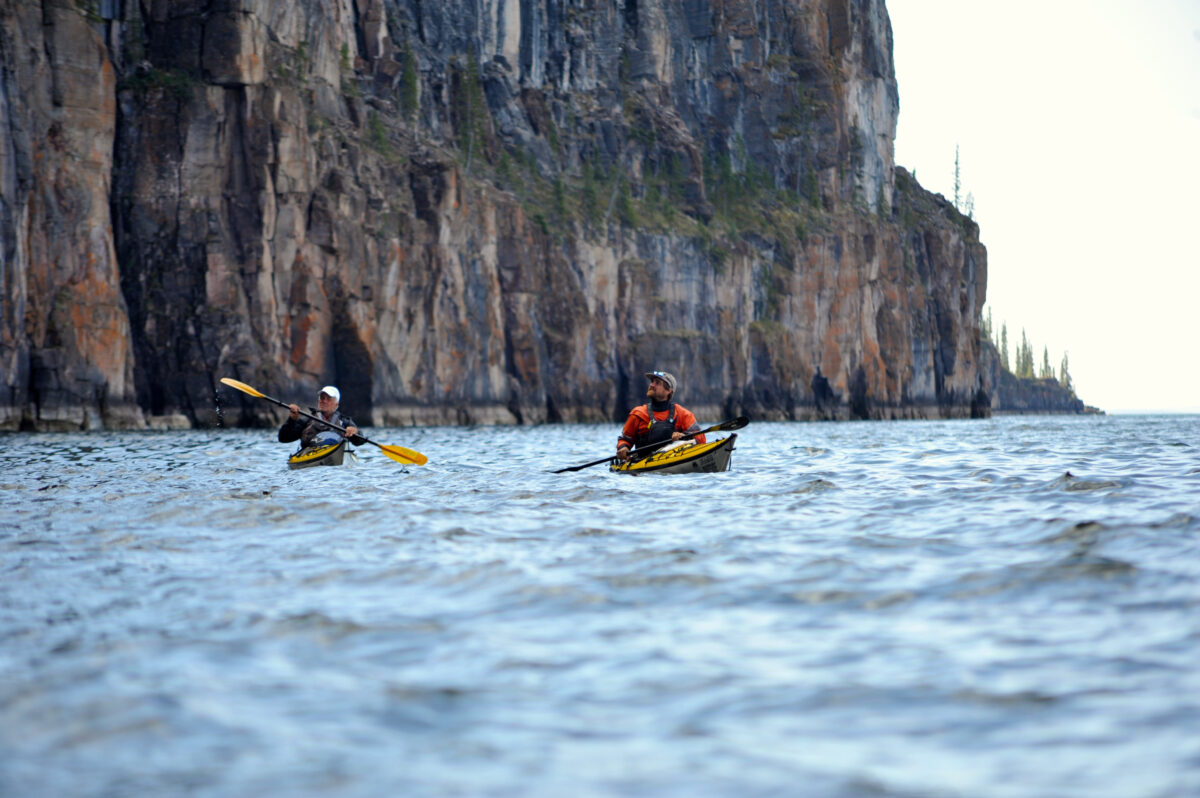
This summer, we are excited to partner with Norm for a guided SUP expedition on the East Arm of Great Slave Lake. The proposed route will follow a dramatic landscape of towering cliffs, northern rocky beach camping and world-class trout fishing throughout. Norm will guide with a Jackpine Paddle guide on this joint expedition.
While speaking to Norm, I discovered that there is often a lack of understanding of the elements of multi-day stand up paddle boarding and how it differs from multi-day sea kayaking or canoeing expeditions. Norm, being an expert on the subject, was happy to share the basics of understanding this style of adventuring.
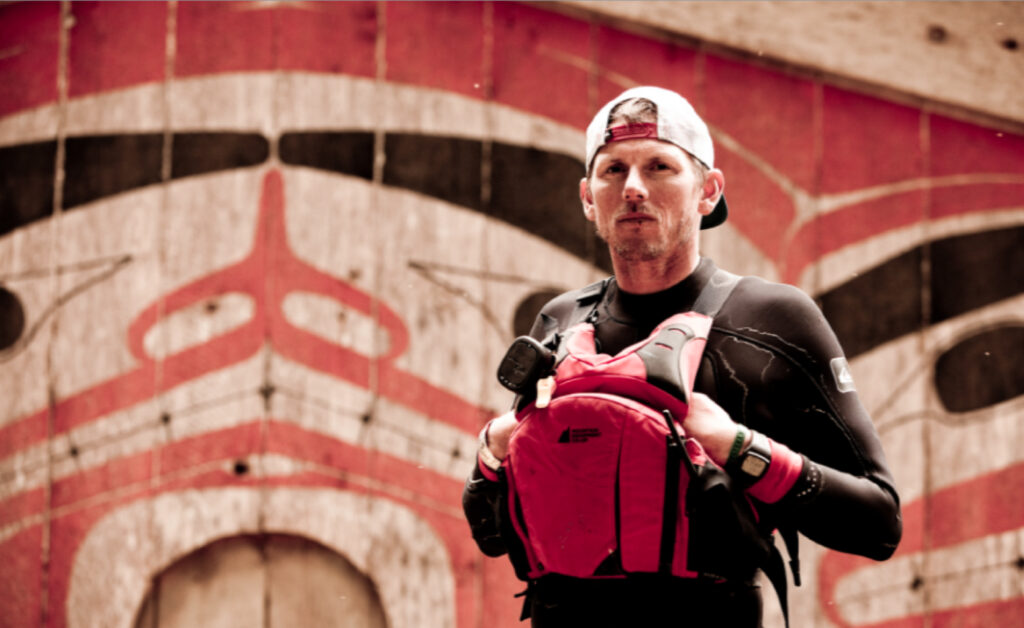
Commercially, I find that the best length for our multiday sup paddling trips range between 5-7 days. For our true expedition style paddling trips where guests carry all of their own gear that length of time seems to be the sweet spot for the amount of gear and food needed to be carried and how much paddling we can do. For those just starting and who are looking to do a personal multiday paddling I would suggest a 2 night 3 day trip. It’s a nice amount of time to accomplish some paddling goals and to learn about your camping systems while building experience.
Ideally it is great to have a base level of fitness, proper paddling technique and depends on the type of trip we are running. Exposed ocean paddling and carrying all of your own gear requires a different fitness level than calm lake paddling, lodge based day trips or sheltered ocean paddles. My best advice is developing a strong technical forward stroke for paddling efficiency and longer days. The combination of a good forward stroke and regular focused training paddles will make your multiday experience so much more enjoyable. One of the values we have at Norm Hann Expeditions is technical skills coaching. All of our guides are top level Paddle Canada Instructors and coaches. You will always leave our trips a much better paddler.
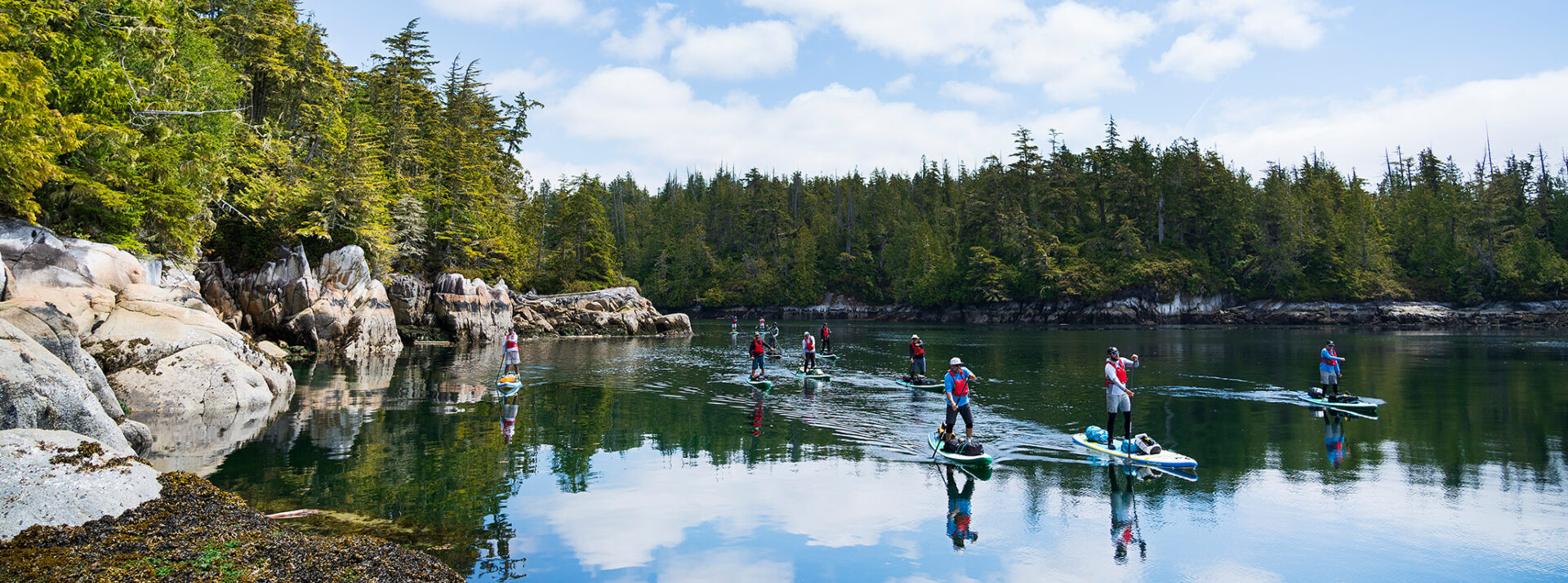
Since standup paddleboards in most situations are not as efficient as kayaks I make sure that along the route there are ample take out and camping opportunities. I try to limit exposed coastlines and long crossings. People love paddling along shorelines and around islands so the route has to provide interesting interpretive opportunities, great vistas and engaging terrain. A great example of how we effectively use terrain and build a trip is our Vargas Island Expedition. For the first two days we paddle the protected east side of the island where clients can get used to paddling fully loaded boards, work on their paddling technique and build confidence on the ocean. As we paddle our way to the north and west side of the island over the next few days we are ready to experience open coastlines with larger swell, surf landings, wind and more challenging conditions.
All things being equal I would suggest a rigid touring style standup paddleboard with well placed front and rear attachments. Rigid touring boards are longer and narrower providing better speed and efficiency which can really add up over a long trip. 14’ boards are ideal and the narrower width complements technique and efficient forward strokes. The hard board I used is a 14’ x 28.5” Sunova Expedition I have helped design with Sunova Surfboards. For big ocean or lake expeditions I will always choose a hard board over an inflatable. BUT, for me, when it comes to running our commercial trips and for travelling, flying, and use of water taxis we mostly use inflatable paddleboards. Inflatable design has really improved over the years and there are some great touring style inflatables out there. I will personally paddle a 14’ x 29” Sea Gods West Coast, another board I helped the company design. The inflatables pack up so well, are light, durable and carry gear as well as the hard boards. With my years of expedition paddling I am proud that I can share my thoughts on design and performance with board companies over the years.
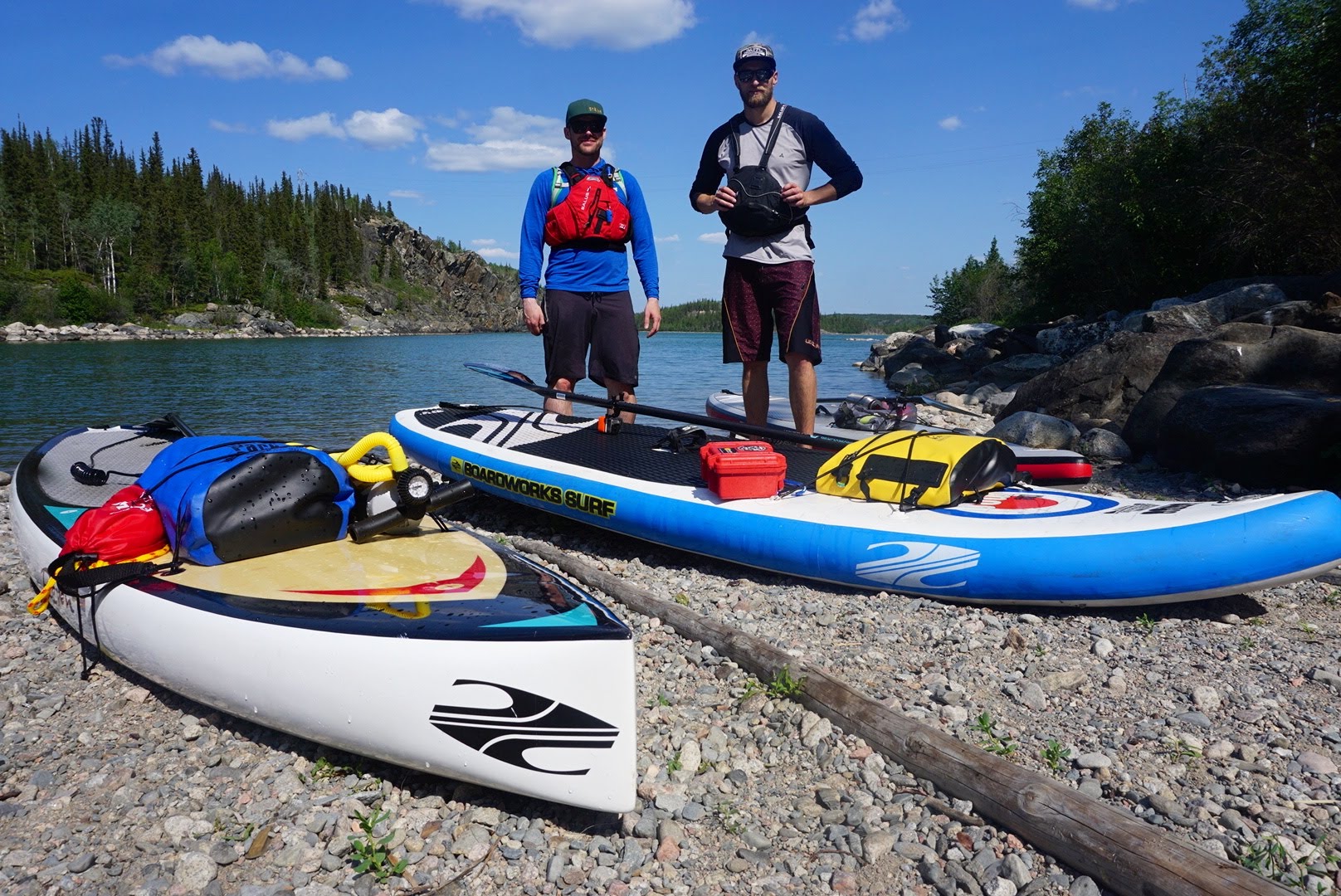
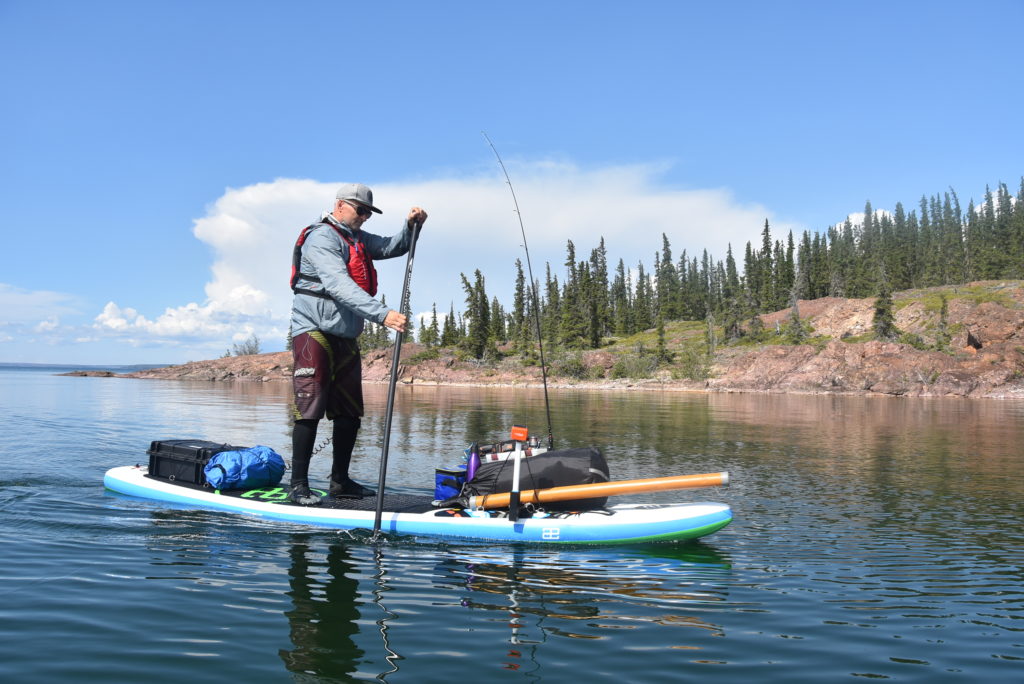
For my personal paddling expeditions I will usually run two 40L waterproof drybags. I like the Red Paddle Co 40L Mission Bag. This bag is fully waterproof and submersible, has a lateral zip for easy access and backpack straps for carrying up the beach to your campsite. One bag usually has my sleeping kit including tent, tarp, sleeping bag, sleeping pad, and pillow and the second 40L bag will carry my clothes, emergency gear, first aid kit etc. I then usually have a 20L bag that carries my food (mostly freeze dried) and my camping stove and fuel. I also have a 5L drybag for small personal items that I may need quick access to items like sunglasses, bandaids, sunscreen, headlamp, knife, snacks etc. Set your bags up rail to rail on your board and most of the weight (food, water) should sit right in front of your feet which is where the most volume in your board is. I usually have my sleeping kit drybag set up behind me on the tail as I do not need access to that till the end of the day.
See Norm’s packing system in action: How to Pack Your SUP for Multi-day Trips
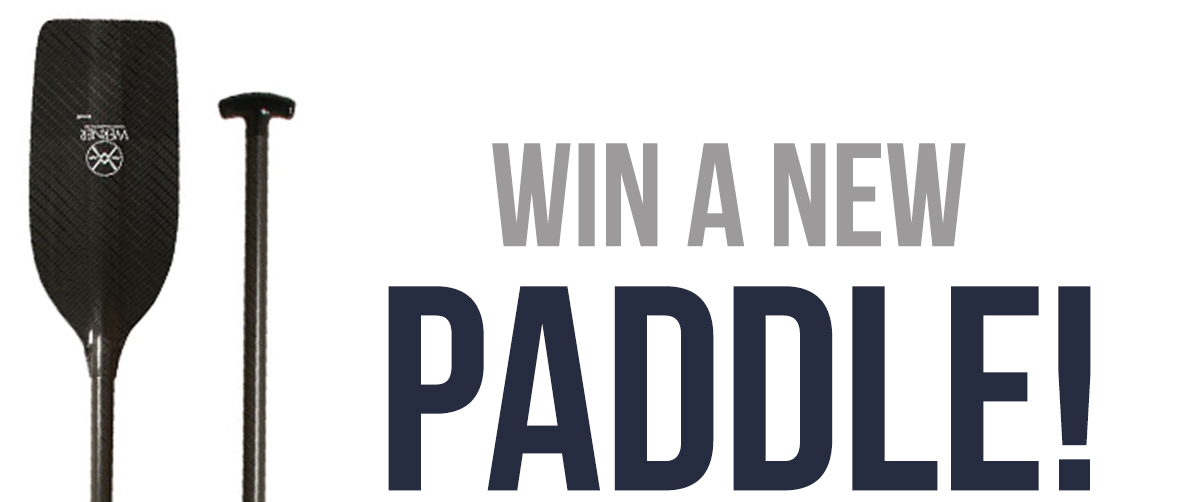
I think one of the most important pieces of gear that people will overlook is the paddle. The paddle is your power, the tool that moves you forward. A good carbon fiber paddle with the proper sized blade face can make paddling and those longer days require much less effort. The paddle should feel like an extension of your body. A smaller blade face will allow a higher cadence which will make you more stable on your board and will move you efficiently with less stress on the body. I like using adjustables for expedition paddling since you can adjust height for varying weather conditions. Shorten the paddle when facing a headwind or rough conditions and lengthen on those calm, stable sections.
Recommended Paddle from Norm: Blackfish Steersman Adjustable Paddle
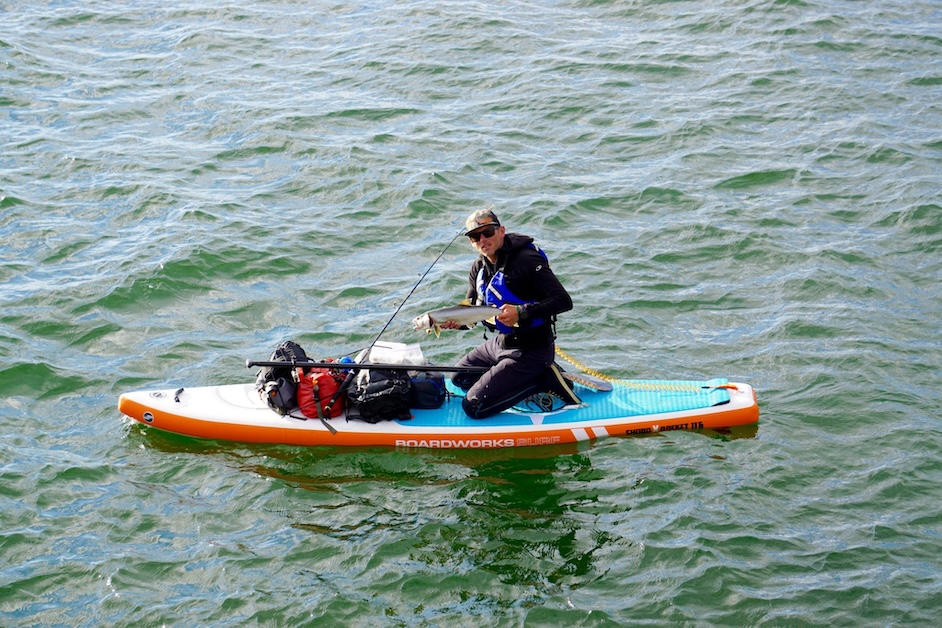
On our trips we generally like to get a couple of hours of paddling in the morning before lunch and a couple of hours in the afternoon. I don’t mind getting the group up at dawn to take advantage of the calmer conditions in the morning before daytime winds come up. We have a common saying on the coast, “On the water early, off the water early.” Since standup paddling can really be affected by the wind I keep my decision making and weather forecasting sharp to take advantage of the best times of the day to be on the water. I have found that on average a group of paddle boarders will travel around 4km/hr and getting around 15-20km is a good day depending on the itinerary, route, weather and group goals.
I have always told our clients that you have to look at the paddleboard as a tool. Depending on conditions and wind you can either stand up on the tool or you can kneel down on the tool. Our guides will always teach kneeling as a safety position and how to use this position for efficient paddling. We may knee paddle when going into a headwind to conserve energy, when the water is too rough or when clients start to fatigue. We may just raft up on our knees to share snacks and watch wildlife. Using a combination of standing and kneeling on your paddleboard will go a long way towards a successful expedition.
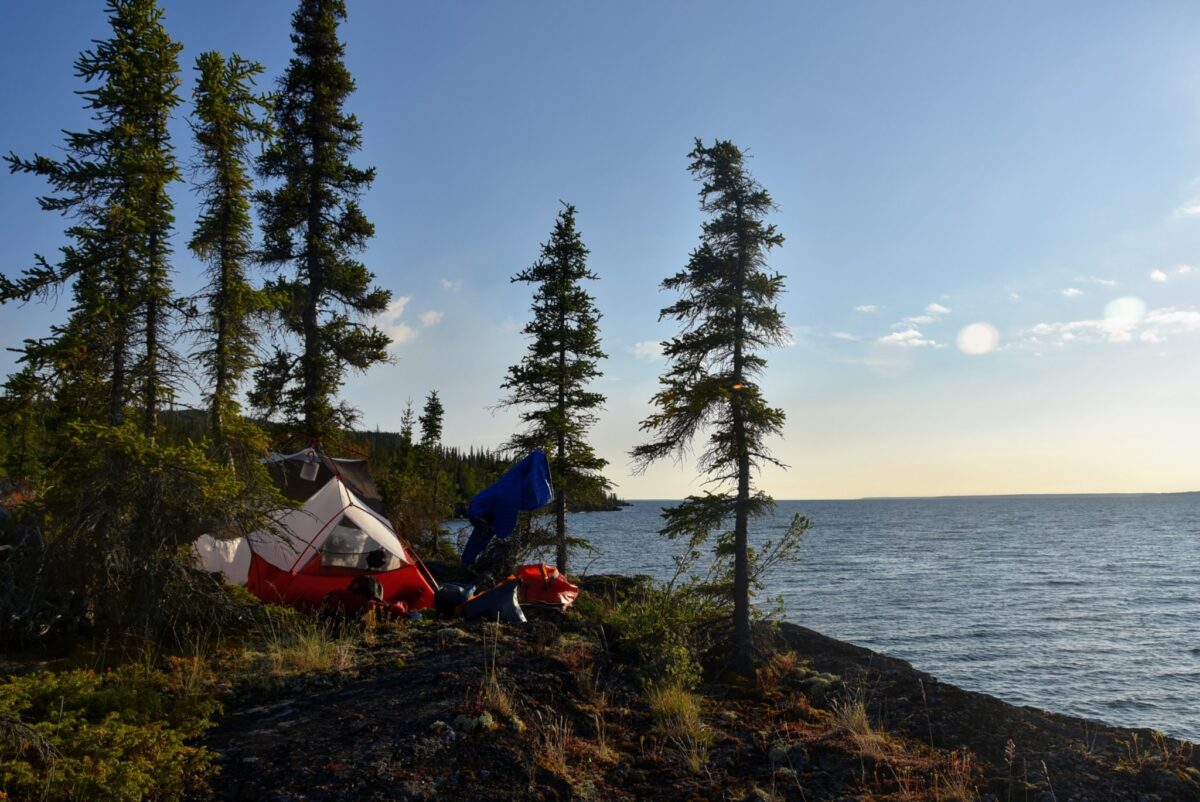
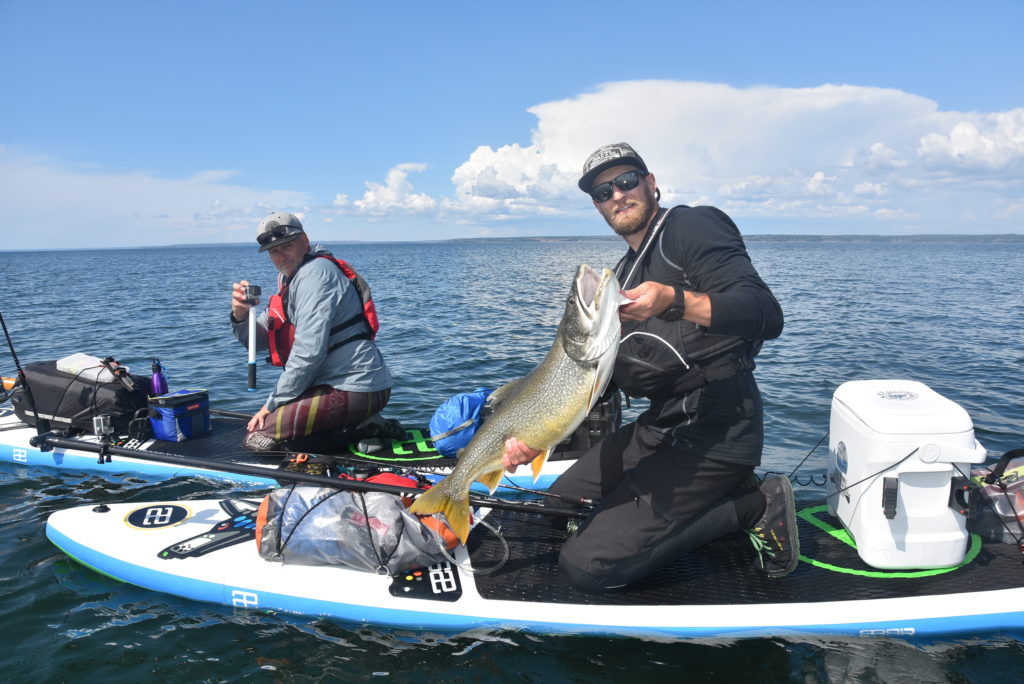
That it is going to be too difficult and that they will be falling in the water all of the time. Most people cannot visualize a multi day paddleboarding trip and carrying all your own gear when they are used to seeing the person at the lake in the summer using the paddleboard as a floaty toy. Stand up paddleboarding has come a long way and with the right equipment and training is a fun, efficient and inspiring way to explore your coastline and connect to your local body of water.
I used to be a sea kayak guide and enjoyed the efficiency and the ability to carry a lot of gear. I come from a surfing background, which is where the sport of standup paddleboarding originated from so I have always loved the surf culture of the sport. I really enjoy the individual freedom and feeling of standing up and perspective the sport provides. SUP is a multi disciplinary sport and I appreciate that I can race, surf, downwind, paddle rivers and explore coastlines on multiday trips with a paddleboard. I love the challenge, sense of accomplishment and use of technical skills to cover long distances on my paddleboard. Performance of paddleboards through design improvements have been a game changer for what can be accomplished on these crafts. For me it’s the tool I love to use to get out and connect with wild places.
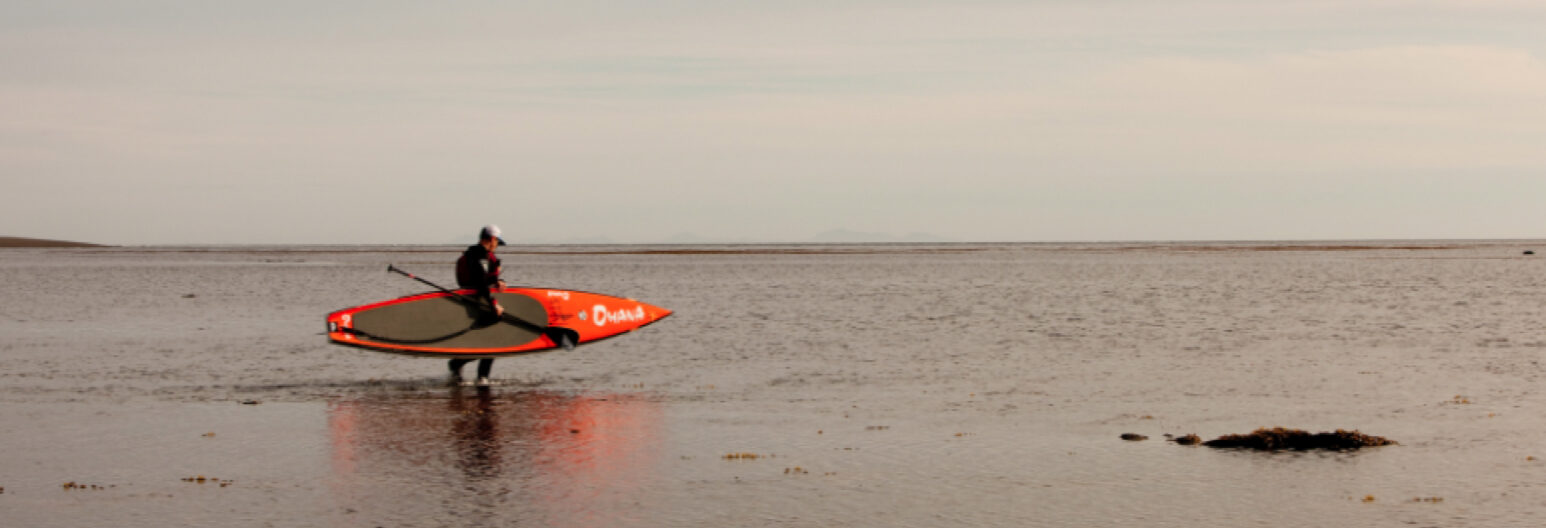
There are many ways to enjoy the remarkable East Arm of Great Slave Lake. If you are interested in exploring this region on a guided trip, check out:
Norm Hann & Jackpine Paddle SUP: A 7-day-expedition on the East Arm of Great Slave lake and into Thaidene Nene National Park. This trip will take place in the true wilderness of the East Arm with spectacular camping and ample fishing opportunities for Lake Trout. This trip is a collaborative trip with Jackpine Paddle and Norm Hann Expeditions. We are excited to Welcome Norm back to Great Slave Lake.
Jackpine Paddle East Arm Kayaking: A 9-day-expedition covering 70km circumnavigating Etthen Island in the heart of the East Arm of Great Slave Lake. This expedition shows off the best of Great Slave Lake from paddling inches from towering cliffs, camping on expansive gravel beaches and limitless lake trout fishing. It is suitable for all levels of paddlers to come and see the spectacular landscape of the East Arm.
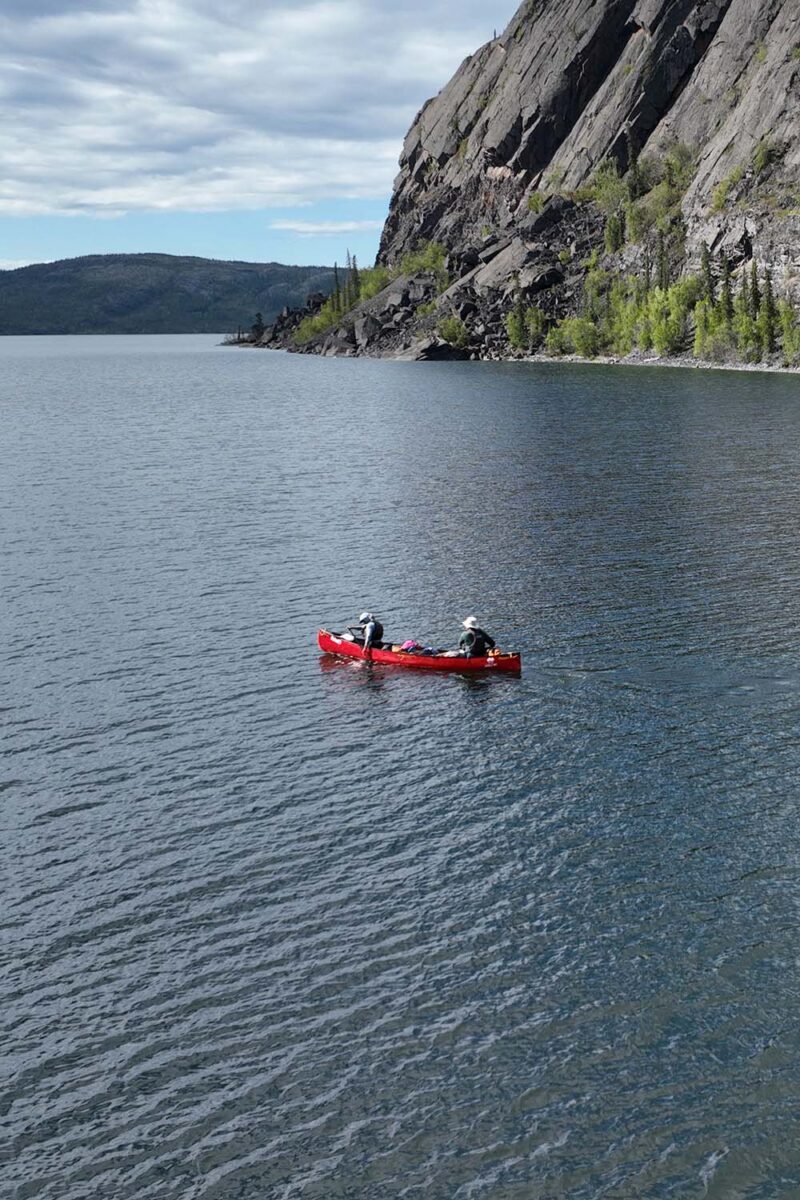
Jackpine Paddle East Arm Canoe: A 12-day or 7-day expedition in Thaidene Nene National Park on the East Arm of Great Slave Lake launching from Frontier Lodge, a lodge owned by the Łutsël K’é Dene First Nation. Learn from Ron Desjarlais – a Łutsël K’é Dene Elder & owner of Red Cliff Adventures as he shares about Dënesųłıné culture and how the Dene have thrived in this land for thousands of years. As a lake based trip with no whitewater, it is suitable for all levels of paddlers to enjoy this wondrous land.